

Local SERVICE MARKETING CONSULTING
How a Plumbing Company Found Hidden Demand
A local plumbing company was pouring money into Google Ads across greater Portland, but their geo-targeting didn’t match where their customers actually lived.
The Short Version
A local plumbing company was pouring money into Google Ads across greater Portland, but their geo-targeting didn’t match where real customers actually lived.
By layering job location data with Google Ads targeting settings, Deep Strata uncovered three big issues:
- They were paying to appear in areas with very few completed jobs
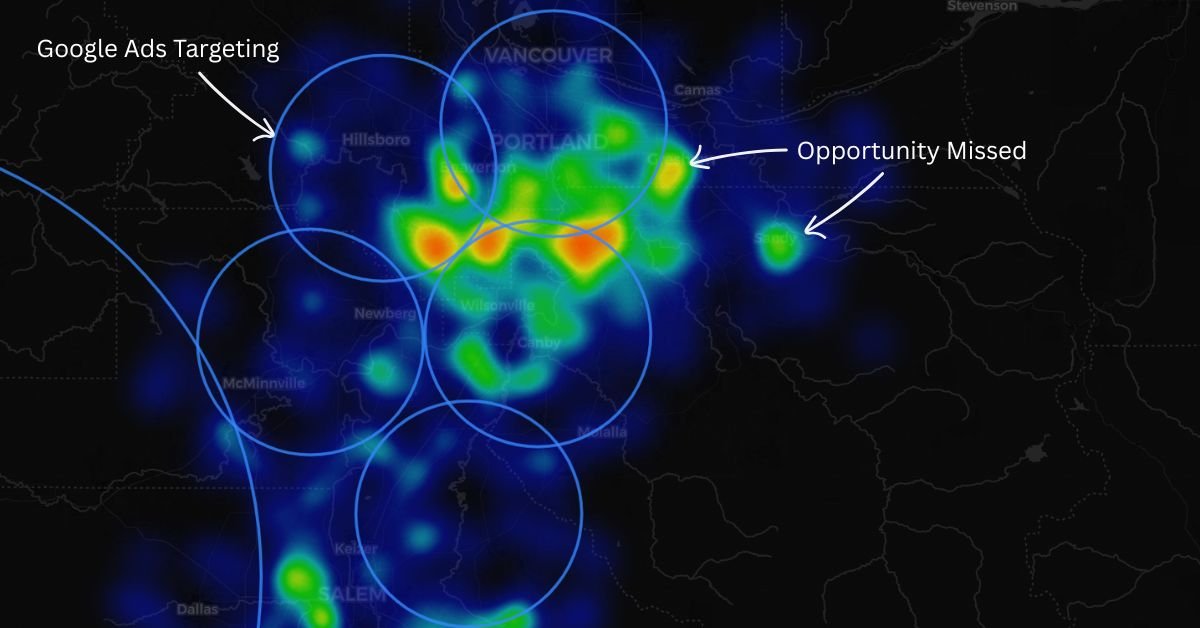
- They were missing hot zones of real demand in Gresham and Sandy.
- They were skimming around Salem, instead of targeting the city where they already had proven customers
The result: a simple, map-driven reallocation plan that stopped buying “ghost impressions” and focused spend where pipes are actually bursting.
The Client
A regional plumbing company serving the greater Portland metro, including suburbs and nearby cities.
They already spent real money on Google Ads and had years of job history, but their targeting was still built on rough intuition (“We’ll grab a radius around Portland”) rather than a data-backed view of where demand lives.
The Question
Are we actually advertising in the same places we’re doing the most work?
They suspected some waste, but couldn’t see where or how much.
That’s where Deep Strata’s Layered Data Method™ came in.
The Data Layers
Layer 1: Job Density Map (Dataset 1)
We started with a file of latitude/longitude points showing where completed plumbing jobs had occurred over time.
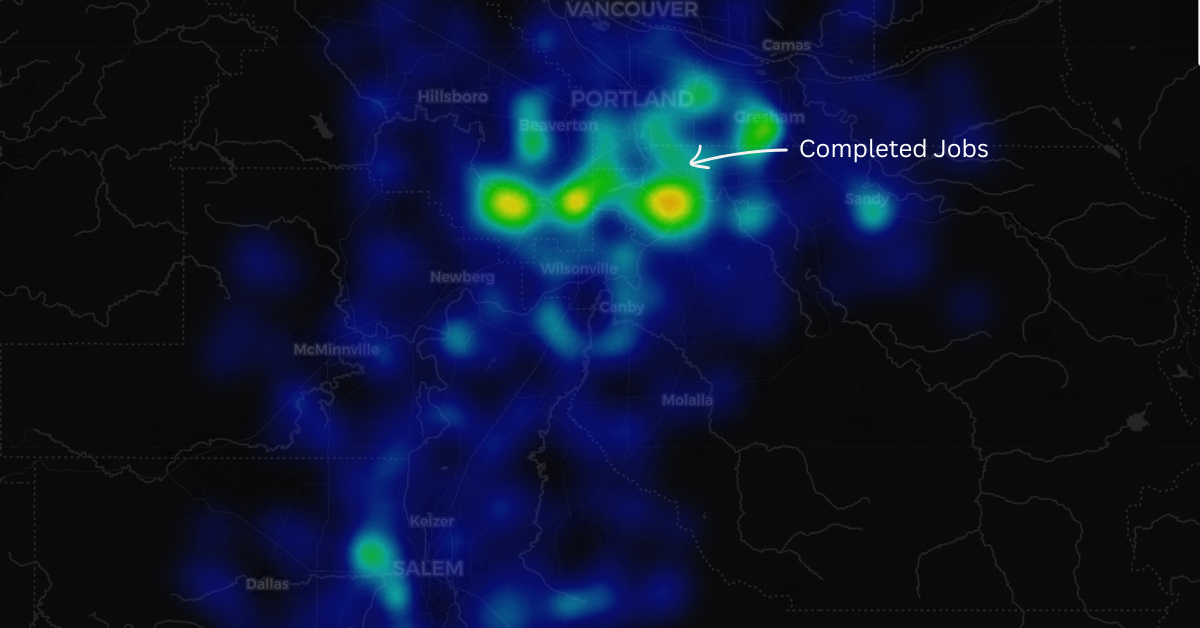
When we plotted those points, clear clusters emerged:
- Strong concentrations around Portland, Beaverton, Wilsonville, and Canby
- A noticeable pocket of completed jobs in Gresham and Sandy
- A meaningful, but less obvious, presence in and around Salem
This first map answered a simple question:
“Where do customers already trust you enough to hire you?”
Layer 2: Google Ads Geo-Targeting (Dataset 2)
Next, we pulled their Google Ads location targeting:
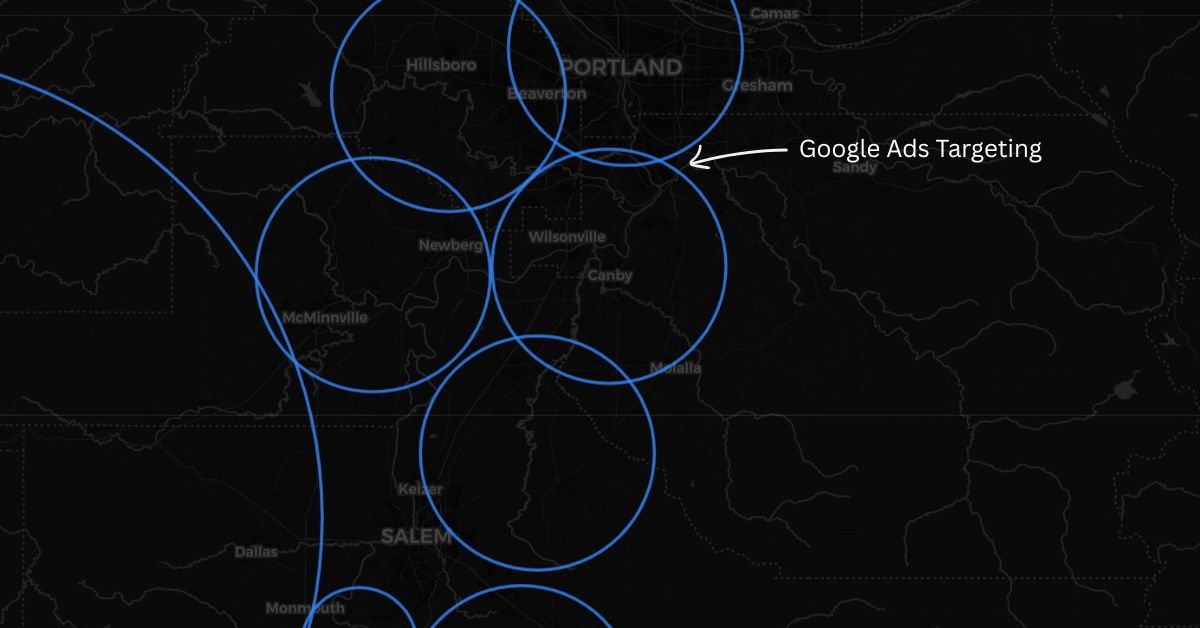
- Targeted areas around Portland, Wilsonville, Canby, and parts of the surrounding metro
- Some broad radius targeting that extended into areas with very few or no historical jobs
- A strange donut pattern near Salem, they were targeting around Salem but not the city itself
On its own, this dataset just showed where ads could be seen.
Layered on top of the job map, it showed something else:
A clear mismatch between ad coverage and proven demand.
Projects
Check Other Case Studies

Ready To Stop Guessing And Start Moving With Confidence?
If you’re spending real money on digital ads but not sure what’s actually working—or where the next growth pocket is hiding, it’s time to put your market on the map.

Marketing Consultants